
Old Houses of Perquimans County: Six Things to Check

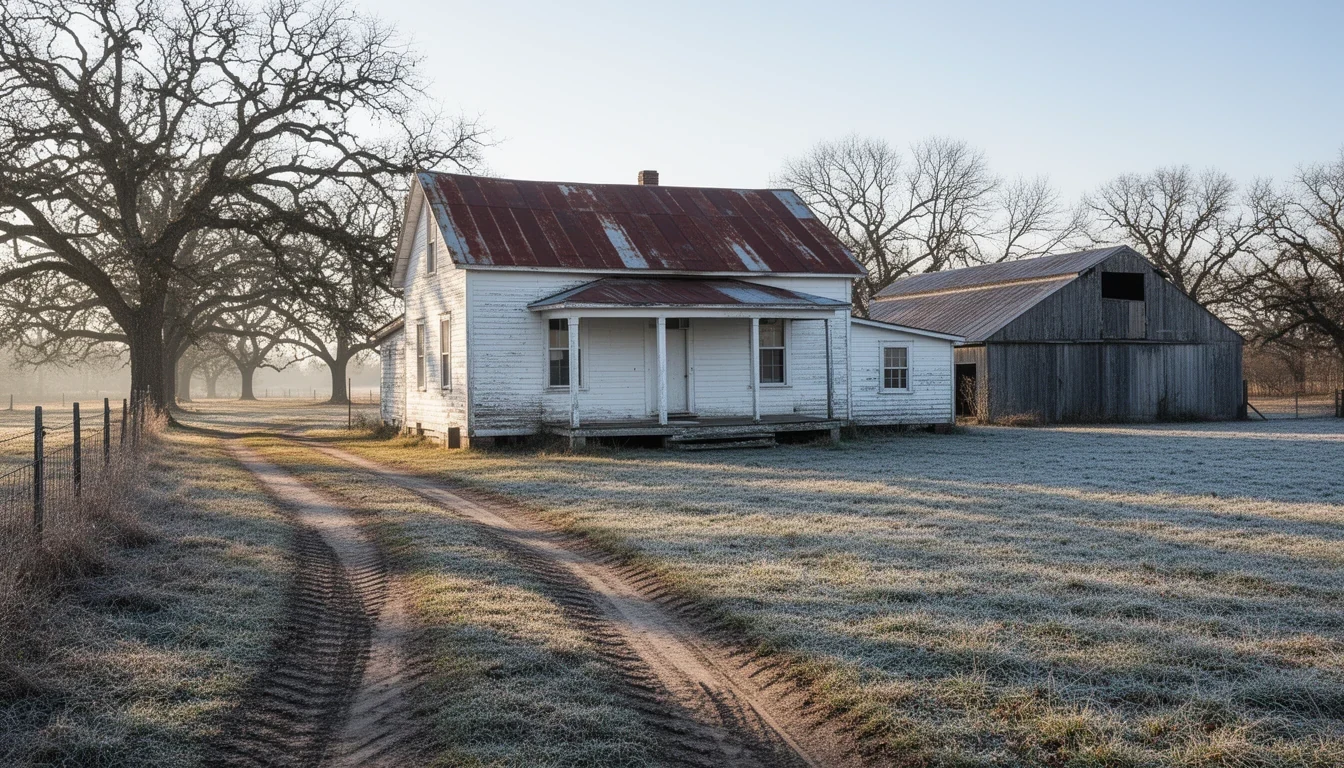
Frost is still on the roof of a house on Grubb Street in the town of Hertford, and the porch floor gives a quarter inch under my boot. That give is the reason for this post. Perquimans County has nineteen properties and districts on the National Register, and the house a buyer falls for is usually older than the file behind it. Here are six checks I want done before an offer goes in on one of them.
1. Get Under It Before You Fall for the Porch
Start in the crawlspace. The sills in the oldest houses here are heart pine. Heart pine shrugs off rot in a way nothing cut today does, which is why a floor laid in 1840 can still be flat. What ends a sill is water and termites, not time. Probe the sill plate with a screwdriver at the corner nearest a downspout. Look for a bright line of frass where wood meets masonry. Check whether there is a vapor barrier at all, or bare dirt with a sump pit someone dug by hand.
A dip in the front room floor is not charm. It is a repair with a price, and it is cheaper to learn the price now than in March.
2. Read the Wiring, Not the Light Fixtures
Knob-and-tube is still live in a fair number of these houses, and cloth-sheathed cable from the 1950s runs behind plaster that was added later. Neither one is automatically a deal-killer. Both change the insurance conversation, and that conversation happens on a clock.
Ask for a photo of the panel before you schedule the full inspection. A fuse box with two spare circuits tells you the house has never been rewired. Some carriers will write a policy on knob-and-tube and some will not. The ones that will often want an electrician's letter on file. That letter costs a few hundred dollars and tells you what a rewire would run. Get it inside the due diligence period, not after.
3. Compare the Septic Record to the Bedroom Count
Neither the well nor the septic system on a Perquimans County house is permitted by the county. Albemarle Regional Health Services handles both, for this county and seven of its neighbors. Ask ARHS for the permit record on the address.
Then read the number that matters, which is bedrooms. A house marketed as four bedrooms on a three-bedroom permit is a recurring problem in older rural stock. It surfaces at appraisal or at resale, not at listing. If the record says three, one of those rooms is a den with a closet in it, and a future buyer's lender will treat it that way. Resolve it in the record before you are the seller explaining it.
4. Pull the Well Log
ARHS also permits and inspects private drinking water wells. The record usually carries the driller's log: depth, casing, and the gallons per minute measured the day the hole was made. A well put down in 1974 for a family of three may be fine for a family of four, and it may not be. Yield falls off, and a pump that cycles hard in August is a symptom you can hear from the kitchen.
Test the water for bacteria and nitrates no matter what the seller tells you. Then walk out and confirm where the wellhead sits relative to the drain field. Distance is the difference between a well and a liability.
5. Walk the Outbuildings and the Ground
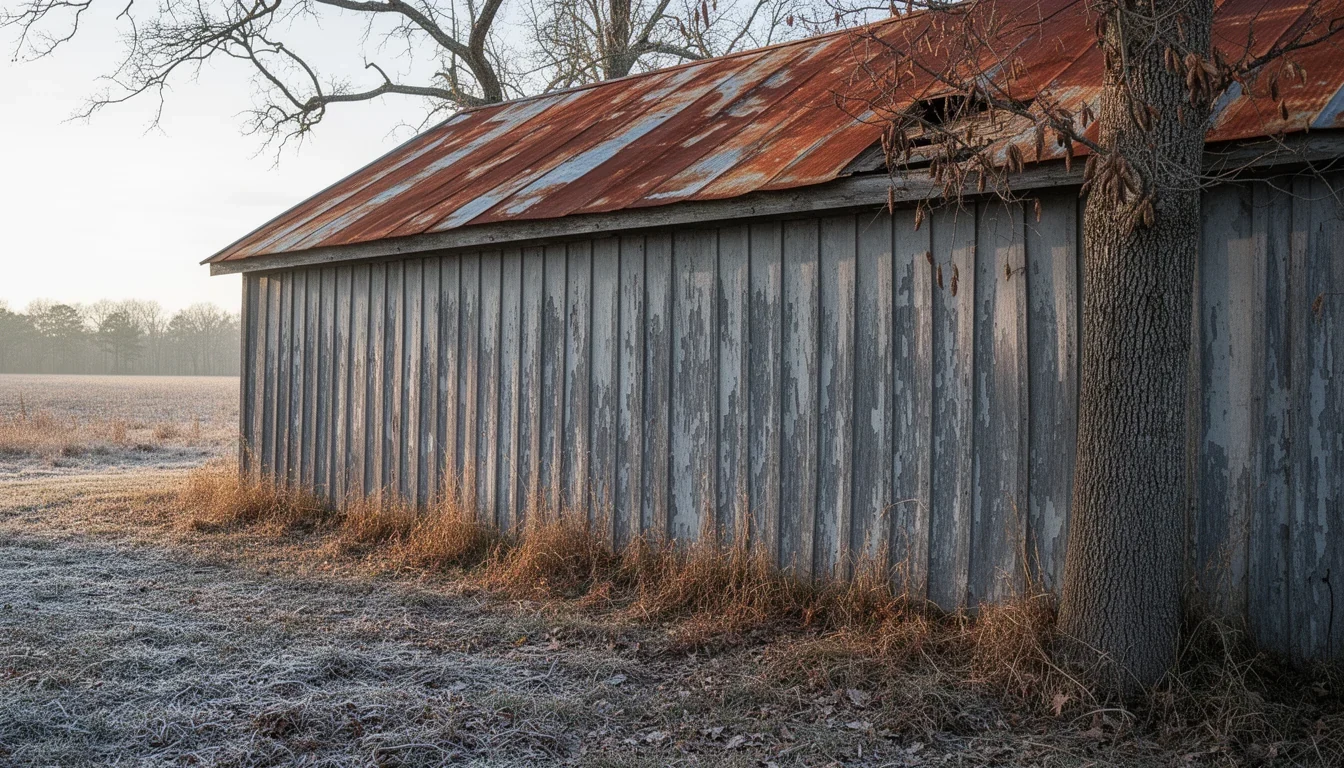
A packhouse, a smokehouse, a barn with a tin roof, a shed leaning into a pecan tree. Some of that is worth money and some of it is a demolition bill, and the county will have an opinion about how you get rid of it.
The land around an old house is where the rural districts earn their keep. Old Neck is one of this county's five National Register districts, and its period of significance runs 1813 to 1946. The farmstead pattern you are looking at is nineteenth and early twentieth century. That tells you how the buildings were framed and roughly what is under them.
Check drainage while you are out there. A yard that sits dry in October can have a wet crawlspace in March, and a neighbor's memory of the last big blow is worth more than any map you can pull up on a phone.
6. Do the Paper Before the Deposit
The deed and plat are at the Register of Deeds. Read them for access: an easement to a back field, a right-of-way running through someone else's land, a boundary that was never surveyed after a division in the 1950s. Access problems do not show up in a walkthrough.
Then settle the designation question. National Register listing by itself is largely honorary. The State Historic Preservation Office says plainly that unless federal funds, permitting, or licensing are involved, you may do anything you like with your property. A local historic district overlay is a different animal. A municipal preservation commission reviews exterior changes there and issues Certificates of Appropriateness.
The town of Hertford has a Historic Preservation Commission, five seats with three filled. Whether an overlay with mandatory review applies to the parcel you want is a five-minute call to Town Hall. The answer can move a five-figure renovation number. Make the call before the offer, not after the roofing quote.
Start the Credit Paperwork Before the First Hammer
North Carolina pays a 15 percent credit on rehabilitation expenses of at least $10,000 for a state-certified historic structure. A contributing building in a National Register district can qualify. Eligible expenses are capped at $150,000, which makes the maximum credit $22,500. Expenses count within any 24-month window, the credit can be claimed once in five years, and unused credit carries forward nine years.
Sequence is the part people miss. The credit runs through an application with the State Historic Preservation Office and a fee capped at 1 percent of qualified expenditures, filed on NCDOR form NC-Rehab. Work started before the paperwork is work that may not count.
Watch the calendar too. Article 3L of Chapter 105 expires for expenses incurred on or after January 1, 2030, with property placed in service by January 1, 2032. If a credit is carrying part of your renovation budget, that is a deadline to plan around now rather than a footnote for later.
By ten the frost is off the roof on Grubb Street and the porch floor still gives that quarter inch. Get under the house, pull the records, and make the two phone calls before you sign. The give stops being a surprise and becomes a line item, which is all a buyer of an old house really needs it to be. I'm a licensed North Carolina broker, not an attorney: on a specific parcel, have counsel read the deed and confirm the environmental health record with ARHS.
Keep reading
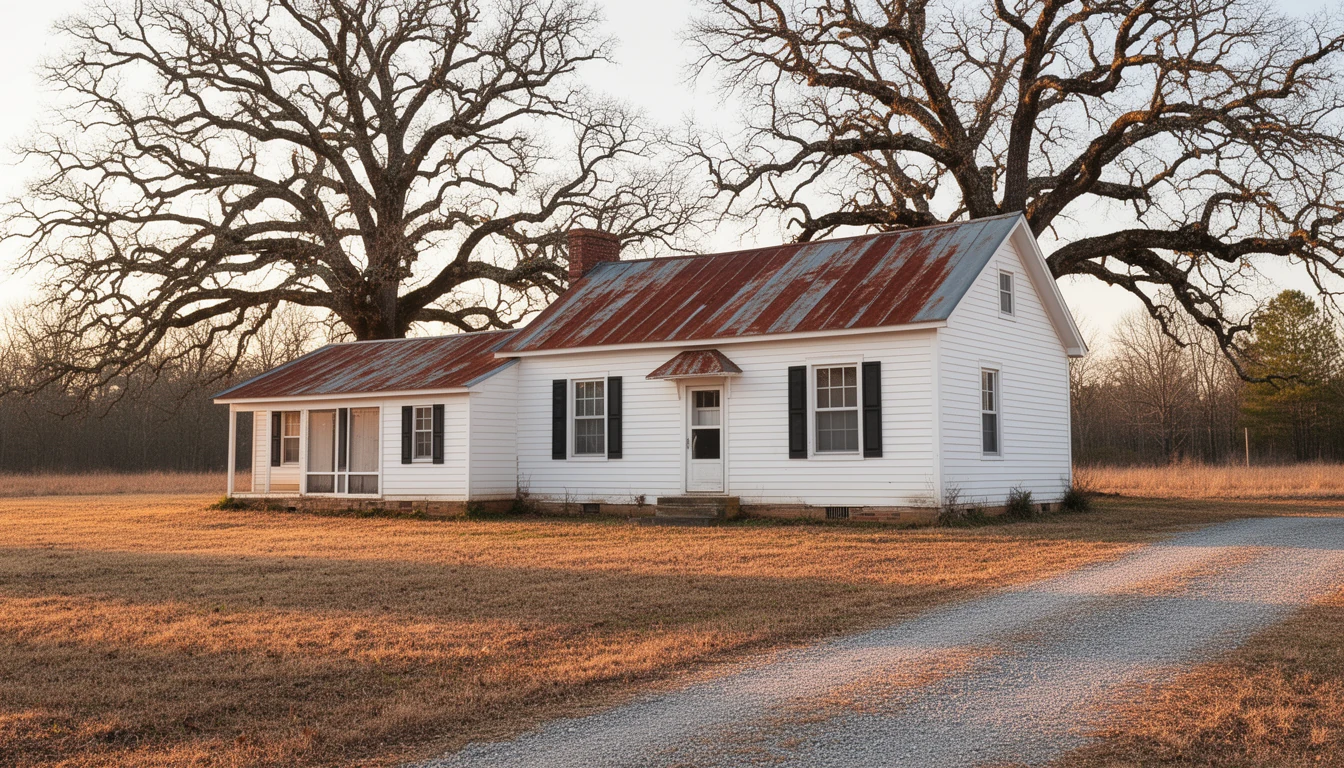
Unpermitted Work in Perquimans: What the File Shows
A room that never got a permit follows the house through every sale. How Perquimans County buyers read the permit file and the tax record before signing.
7 Ways to Be a Good Albemarle Shoreline Steward
Seven practical ways Perquimans County shoreline owners protect the Albemarle: the CAMA lines, the 30 percent cap, septics, and slowing the rain.
Closing on the Albemarle Sound: 10 Things to Know
Ten things I verify before closing on Perquimans County water: flood maps, insurance math, CAMA permits, septic records, that 1% tax, and the financing.