
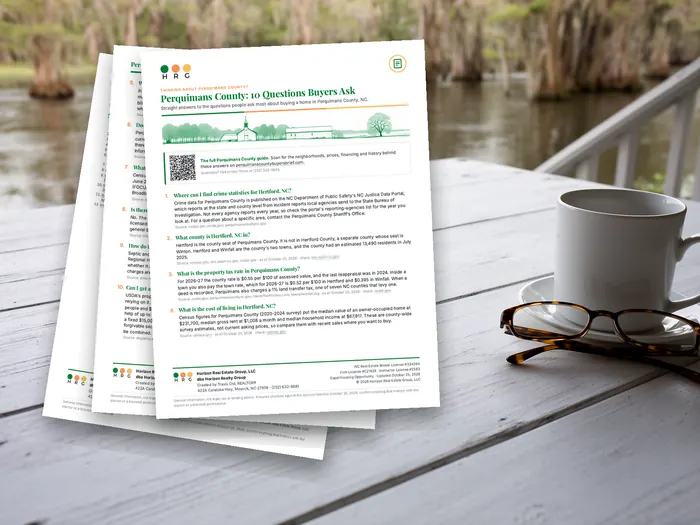
Perquimans County Buyer's Timeline: Offer to Keys

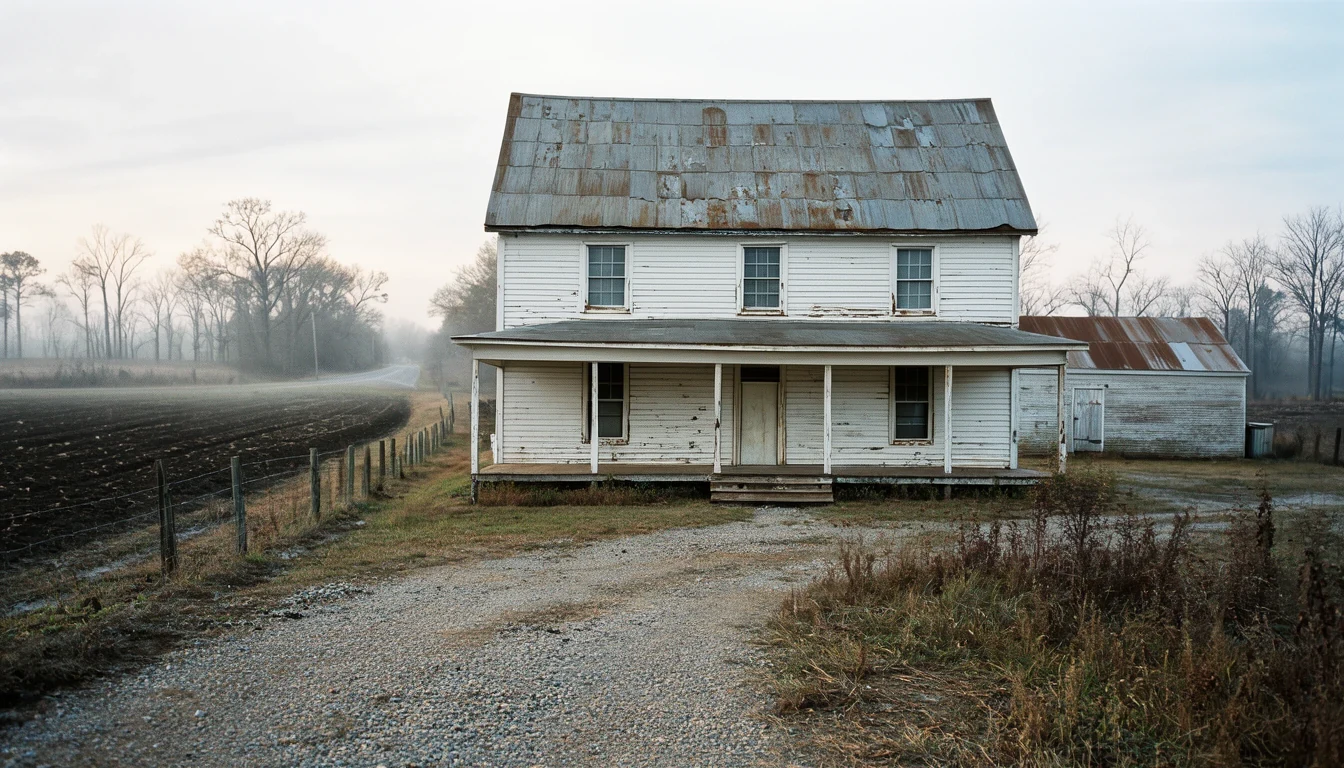
The pecan trees along the road to Belvidere went bare two weeks ago, and the fog that sits in the low ground behind the fields doesn’t lift now until almost ten. If you are buying here in late November, that fog is a fair picture of the closing calendar: the shape of it is visible, the timing is not.
Most of what goes wrong in a Perquimans County purchase is not a surprise defect. It is a date. Somebody ordered the septic evaluation on day eighteen of a twenty-one day due diligence period, and the office that issues it is in Elizabeth City and busy. Somebody assumed the survey would take a week. Somebody paid a due diligence fee without understanding that it doesn’t come back.
Here is the order I watch, and who sets the clock at each step.
Start With the Two Numbers
North Carolina residential contracts run on the standard Offer to Purchase and Contract, Form 2-T, which the North Carolina Bar Association and NC REALTORS maintain together. It has two separate piles of money and people confuse them constantly.
The due diligence fee goes straight to the seller, generally when the contract is signed. It buys you the right to investigate and walk away. If the deal closes, it credits back to you at the closing table. If you terminate during the due diligence period for your own reasons, the seller keeps it. The Real Estate Commission's own guidance is blunt about this: under paragraph 1(i) the fee is refundable only if the seller materially breaches, fails to comply with the seller obligations in paragraph 8, the contract terminates under paragraph 12 for risk of loss, or an addendum says so.
Earnest money is the other pile. It sits in a trust account, usually the closing attorney's or the listing firm's, and it does come back to you if you terminate inside the due diligence period using a contract right.
Since July 1, 2026 the form works a little differently on timing. The due diligence fee is still due on the effective date, but a buyer who misses that day is not in breach the next morning. The buyer has until the end of the following banking day. After that the seller has to send a written demand and give one more banking day before anything can be terminated.
That is a narrow cushion, and I would not plan around it. What I would plan around is the size of the fee. It is the money you are willing to lose to find out what the property is, and in a county where so much depends on the septic file and the flood zone, that number should be big enough to buy you a real investigation window rather than a long weekend.
The First Three Days Are Paper
North Carolina requires the seller to hand over disclosure statements no later than the moment you make an offer. There are three of them now: the residential property disclosure, the mineral and oil and gas rights statement, and, since the 2025 statutory change, an owners' association and mandatory covenants statement that has to name the association contact and the dues, along with any pending judgments or lawsuits and any transfer fee the association charges.
If you did not get them before or when you made the offer, chapter 47E gives you a cancellation right. It expires on whichever comes first: the third calendar day after you receive the statement, the third calendar day after the contract was made, or settlement. Cancel in that window and there is no penalty, and your deposit comes back.
Three days is not long. Read the statements the day you get them, and read the mineral rights one closely. Eastern North Carolina has a long history of severed timber and mineral estates, and a seller who inherited a parcel forty years ago may genuinely not know what was reserved out of it in 1912.
Order the Work in the Right Sequence
Inside the due diligence period, certain items are cheap to order and slow to complete, and those go first.
Flood comes first, in writing. The effective flood map here is dated December 21, 2018, for the unincorporated county, Hertford and Winfall alike. If the parcel is in a mapped zone, ask the seller for an existing elevation certificate before you pay for a new one; then get bindable quotes from NFIP and at least two private carriers while you still have room to walk. Nothing in this county carries a Community Rating System discount, so there is no assumed break on the premium.
Septic and well go second, and they are the real bottleneck. The county does not permit either one. Albemarle Regional Health Services does, for Perquimans and seven neighboring counties, which means your soil evaluation sits in a queue shared with a lot of other rural transactions. Ask ARHS for the current turnaround when you order, not after two weeks have passed, and book it in the first days of the period rather than the last.
The permit file goes third, and it costs you a phone call. The building inspector's office is at 104 Dobbs Street in Hertford, (252) 426-8283. Ask for the permit history on the address, in writing. On a house that has been added onto across three generations, an addition with no permit or a permit that was opened and never finaled is a loose thread that becomes your conversation at closing.
Then the title work and the plat. Deeds and recorded plats live at the Register of Deeds on Church Street, and if the deed description points at a plat, pull that plat and look at it against what you walked. North Carolina does not hand you a new survey as part of the deal. If you want the boundaries confirmed, you order it, and you order it early enough that a fence line in the wrong place is still a negotiation instead of a surprise.
Add a wood infestation report, which the contract has its own paragraph for, and a structural walk-through on anything built before 1960. Then get your insurance agent on the phone with the address. A quote you receive in week four of a loan is not a quote you can act on.
The Lender's Half of the Calendar
Your due diligence period and your loan timeline are two different clocks, and the shorter one usually wins. Appraisal ordering and underwriting sit on the lender's schedule. So does the Closing Disclosure, and none of the three cares that ARHS is behind.
Two local notes that affect this. Perquimans carries an FHA one-unit limit of $805,000 for 2026, the highest of any county in North Carolina, which surprises people who assume a rural county means a low ceiling. The whole county is also inside a USDA-eligible rural area, including downtown Hertford, and USDA's guaranteed program has its own underwriting queue on top of the lender's. If you are going that route, tell your agent on day one so the due diligence period is set realistically instead of optimistically.
Settlement, Taxes and the Deed
Closings in this state are attorney work. The State Bar's position is that most of the acts and services a residential closing requires are the practice of law, so a North Carolina licensed attorney handles it, and the buyer selects and pays that attorney.
Under the 2026 form, settlement happens no later than the settlement date, at a time and place the buyer designates. In practice that means the closing attorney's office in Hertford, and it means a date that is easier to move than it used to be.
One line item to have already settled with yourself: Perquimans is one of seven North Carolina counties that levy a local land transfer tax, one percent of the price, one dollar per hundred rounded up, paid to the Register of Deeds at recording. That sits on top of the state excise tax of one dollar per five hundred. On a $300,000 purchase the local tax is a four-figure number, and who pays it is a contract term rather than a custom, so make it a term.
The deed gets recorded at 128 N. Church Street, and the office is open 8:00 to 5:00 on business days. Recording is quick. Getting to a recordable deed is the part that takes the work.
Where This County Stretches a Timeline
Four things, in the order I see them.
The health department queue, because it is shared across eight counties and there is no way to hurry it. An elevation certificate, because it has to be commissioned and scheduled. A deed with a description that turns out to be a metes and bounds puzzle from 1948 with no plat behind it. And an unpermitted addition that the appraiser counts differently than the tax record does.
None of those is unusual here. All of them are survivable if they surface in week one. The pattern that fails is a buyer who spends the first ten days negotiating a repair credit on a porch railing and orders the septic evaluation on day fifteen.
What the Last Week Looks Like
Final walk-through a day or two out, with the contract in hand and the seller's agreed repairs actually finished. Loan documents signed at the attorney's office. Funds wired, and wired by phone confirmation rather than by an email that arrived with a new account number. Deed recorded. Keys.
Then the part that doesn't fit on a calendar: you own a piece of ground in a county that still runs on river time, and the first thing you'll notice is that the fog didn't lift until ten and you didn't care.
Keep reading
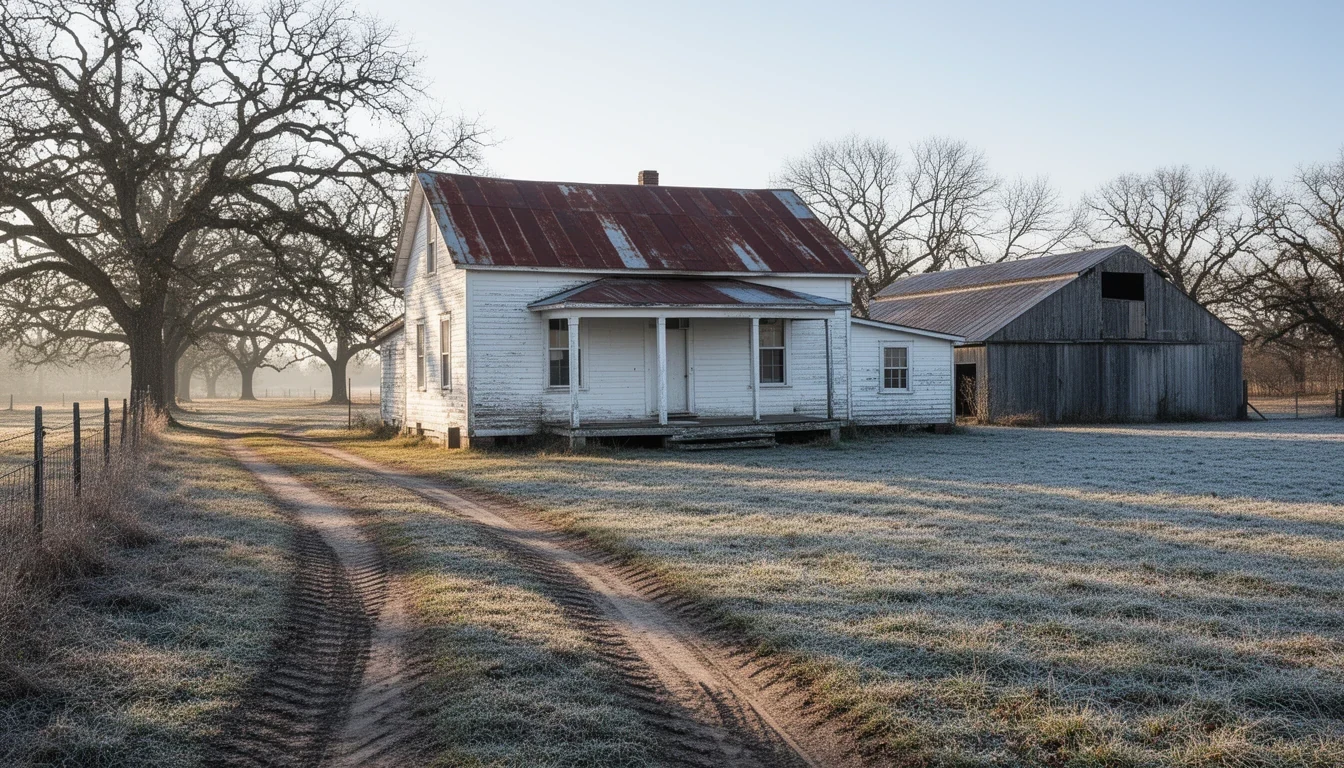
Old Houses of Perquimans County: Six Things to Check
Six checks on an old Perquimans County farmhouse: the sill, the wiring, the septic record, the well log, the outbuildings, and the paper behind the deed.
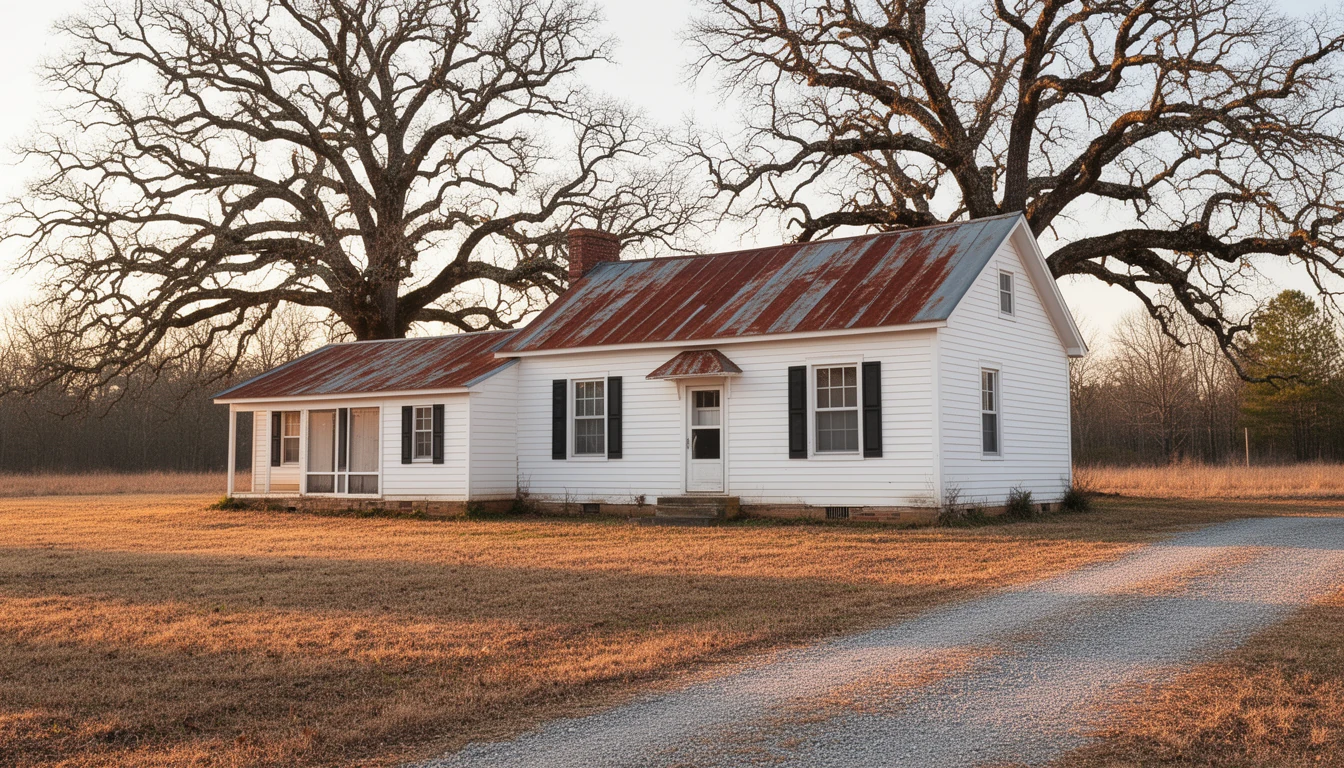
Unpermitted Work in Perquimans: What the File Shows
A room that never got a permit follows the house through every sale. How Perquimans County buyers read the permit file and the tax record before signing.
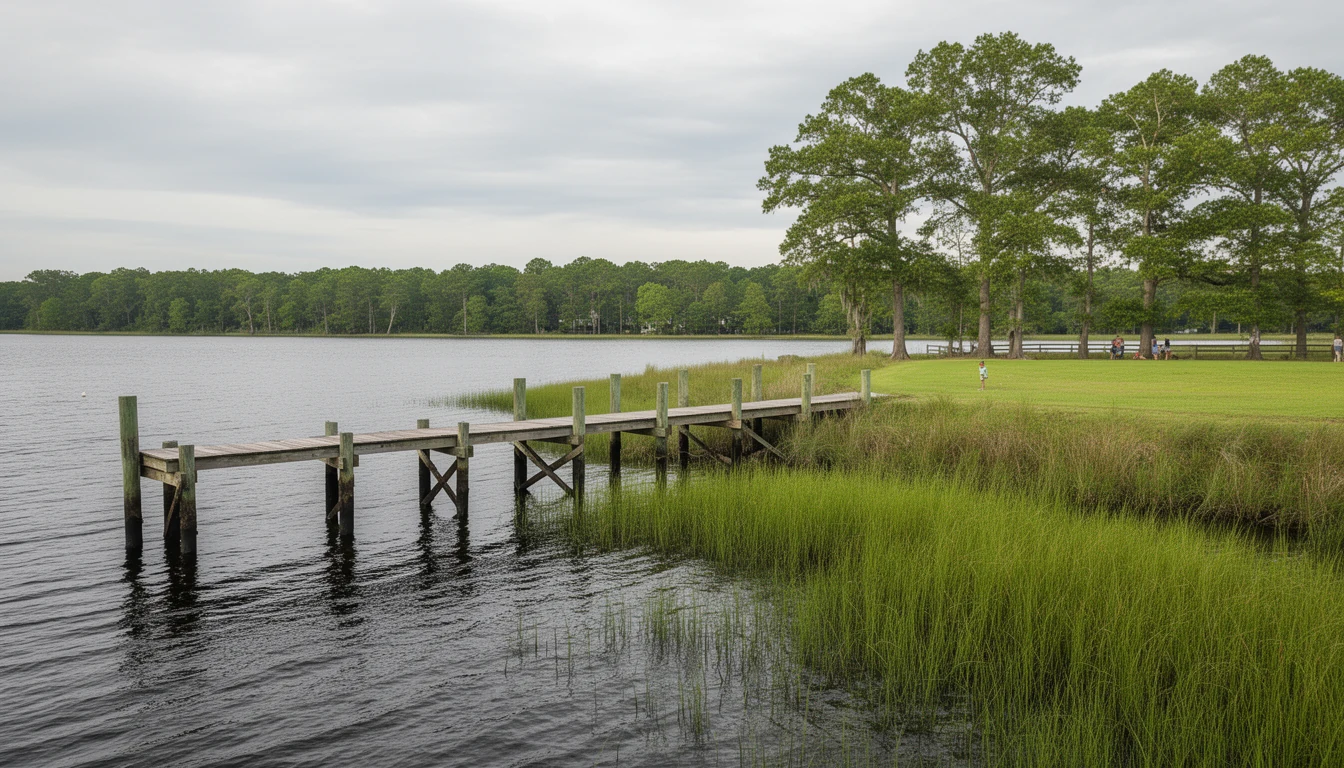
7 Ways to Be a Good Albemarle Shoreline Steward
Seven practical ways Perquimans County shoreline owners protect the Albemarle: the CAMA lines, the 30 percent cap, septics, and slowing the rain.